Talisman Culture
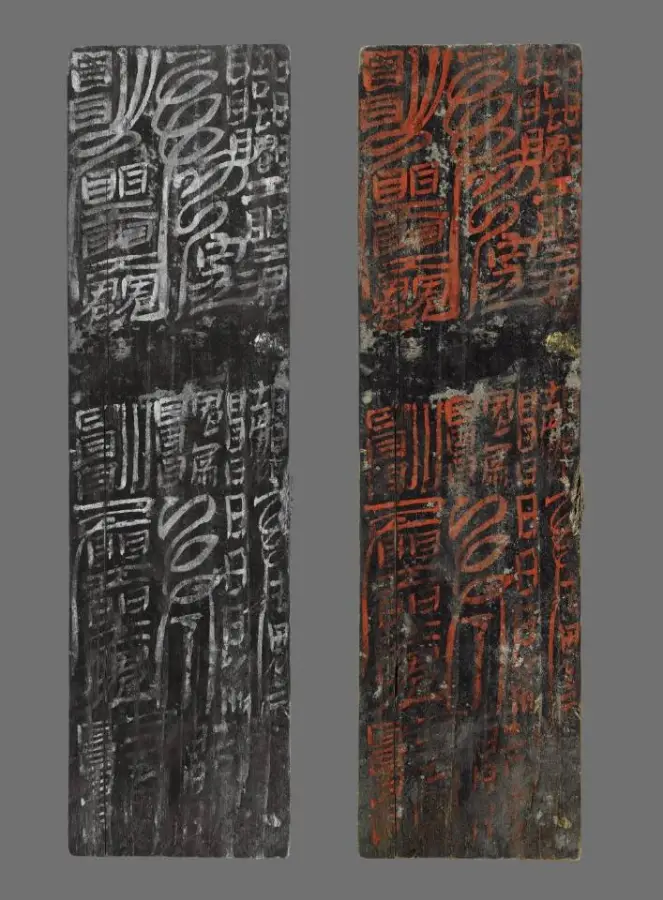
Fu (talismans) are written characters or diagrams in a special script, seen on paper and on seals. Their origins reach back to the Han dynasty and are closely tied to early Celestial Masters Taoism. Later periods developed several systems, and talismans hold an important place in the Zhengyi tradition.
From a cultural and artistic viewpoint, the coiling lines and striking brushwork of talismans form a distinctive script aesthetic that also influenced folk painting, calligraphy and seal art. We present them only as historical and artistic heritage, and make no claim about any practical effect.
Rituals and Liturgy
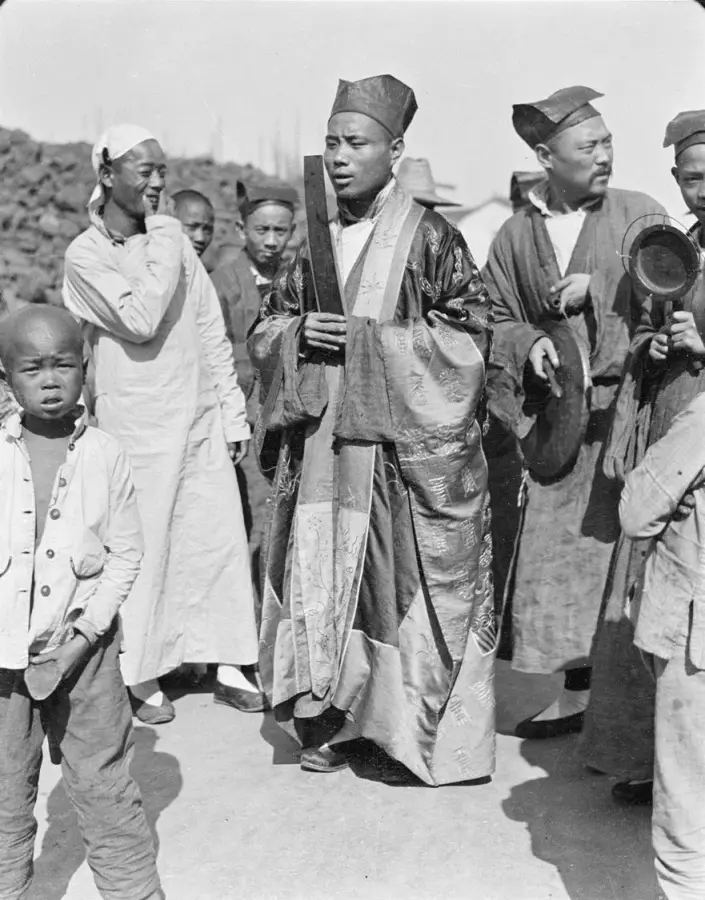
Taoist liturgy consists of ceremonies conducted by priests according to set forms; the best known types are zhai (purification retreats) and jiao (offering rites). Zhai emphasizes cleansing of body and mind, repentance and petition, while jiao involves setting up an altar to address the deities. Traditionally such rites were bound up with local community worship and festivals, giving them a communal meaning.
Ceremonies combine scripture chanting, ritual pacing, instrumental music and song into a composite performing art. Taoist ritual music has been inscribed on China's national lists of intangible cultural heritage, recognizing its musical and performance value.
Fengshui Culture
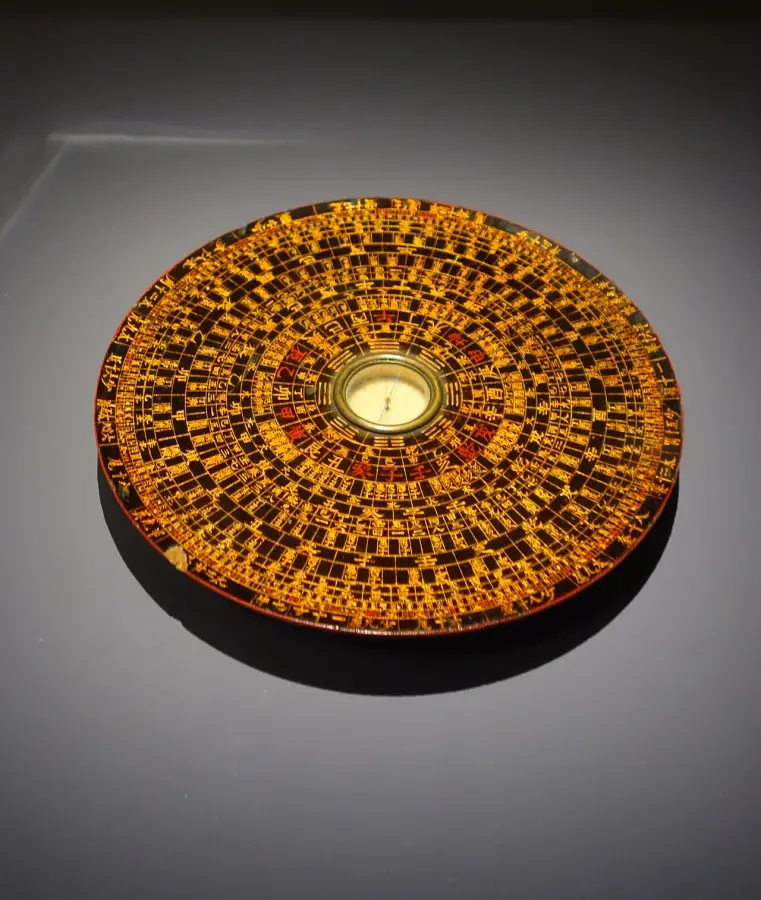
Kanyu, commonly called fengshui, is a traditional system of ideas about siting, layout and environment. It favors places backed by hills and facing water, sheltered from wind and open to the sun, and it influenced the planning of ancient towns, villages, temples and houses.
Culturally, fengshui contains plain environmental observation and aesthetic experience along with symbolism drawn from traditional cosmology. It is not science in the modern sense, and many of its claims lack empirical support, so it is best studied as a cultural phenomenon, distinct from scientific conclusions.
Stems, Branches and the Calendar
The ten Heavenly Stems and twelve Earthly Branches combine into a sixty-term cycle used to count years, months, days and hours, forming the basis of the traditional Chinese calendar. Everyday terms such as the zodiac animals and lunar-year names come from this system.
The twenty-four solar terms divide the year according to the sun's position along the ecliptic and have long guided farming and daily life. In 2016 'The Twenty-Four Solar Terms, knowledge in China of time and practice developed through observation of the sun's annual motion' was inscribed on UNESCO's Representative List of the Intangible Cultural Heritage of Humanity.
Telling Heritage from Superstition
There is a clear difference between cultural heritage and superstition or scams. The former is a tradition that can be studied and appreciated through history, art and folklore; the latter profits from exaggerated promises, such as claims to avert misfortune, change fate, or cure all illness, or demands for large payments.
Some warning signs: the use of fear or anxiety, requests for large sums or personal information, guarantees of definite results, and a lack of affiliation with a recognized temple or academic institution. If something seems suspicious, stay cautious and seek help from the relevant authorities when needed.
References
- Qing Xitai, ed., Zhongguo daojiao shi (History of Chinese Taoism), Sichuan People's Publishing House.
- Livia Kohn, ed., Daoism Handbook, Leiden: Brill, 2000.
- Kristofer Schipper, The Taoist Body, Berkeley: University of California Press, 1993.
- UNESCO Representative List of the Intangible Cultural Heritage of Humanity: The Twenty-Four Solar Terms (2016).